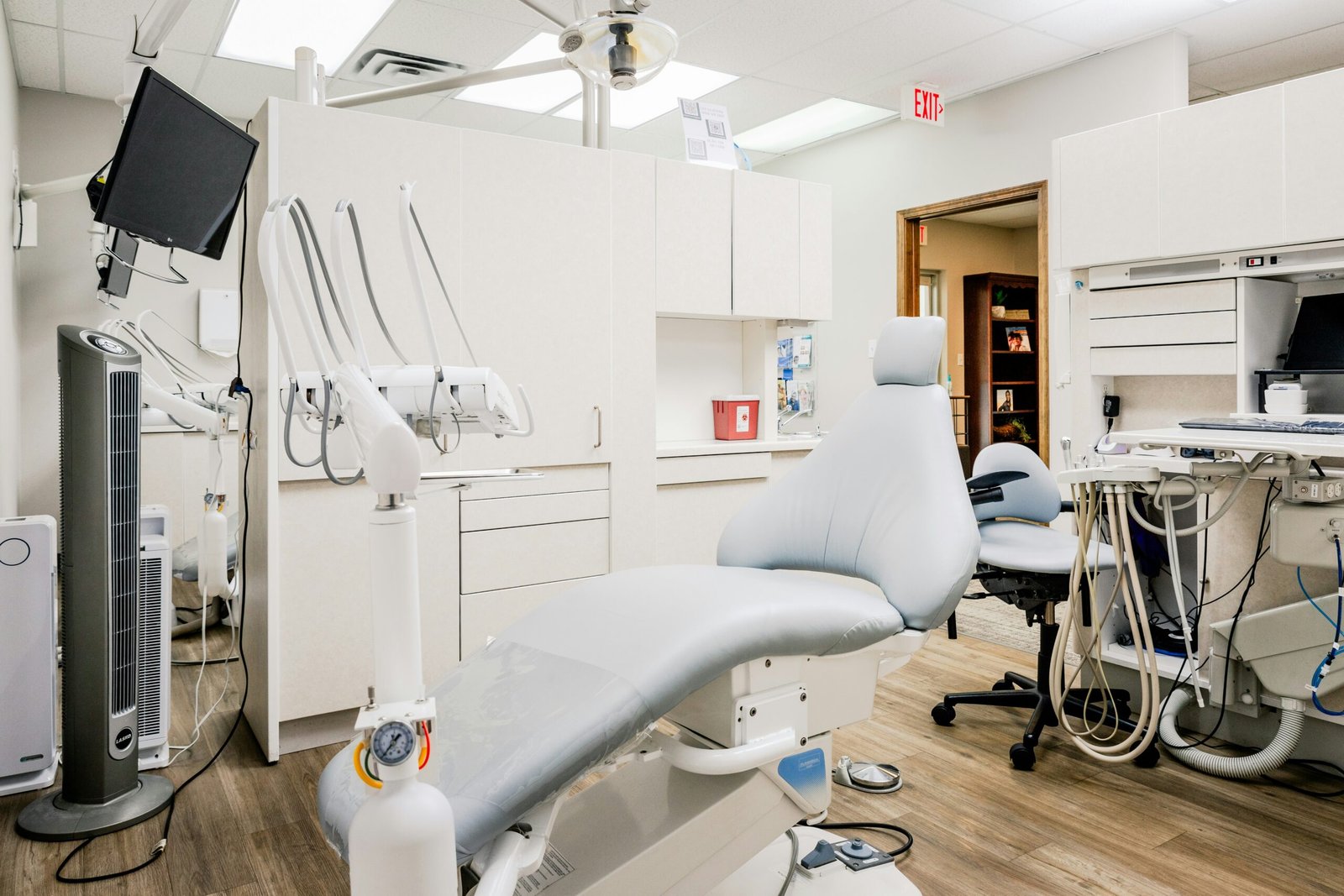
Dental practices with two to ten locations face different marketing challenges from single-location offices and large dental service organizations (DSOs).
At this stage, marketing is no longer just about attracting patients to one practice. Each location may have different competitors, patient demand, available appointment capacity, and treatment priorities. At the same time, the group needs a consistent brand, efficient marketing management, and a clear understanding of how each office is performing.
For this comparison, Toothific reviewed six dental marketing agencies with experience relevant to practices operating between two and ten locations: Growdent, Wonderist Agency, KickStart Dental Marketing, Tekkii, and Gargle.
We compared their dental specialization, multi-location experience, Google Ads and SEO capabilities, website support, patient acquisition strategies, tracking and attribution, service flexibility, and publicly available evidence of results.
The ranking focuses on agencies suitable for small and growing dental groups, including independently owned multi-location practices and emerging DSOs that do not necessarily need the complexity of an enterprise-level marketing program.
Table of Contents
Best Dental Marketing Agencies for 2–10 Locations in 2026 at a Glance
| Agency | Best for | Key services | Public evidence / differentiator |
| Growdent | Flexible digital marketing and new-patient acquisition across locations | Google Ads, Meta Ads, SEO, AEO, websites, landing pages, CRO, tracking | Two-location Yass Valley Dental case study and experience supporting Swish Dental from 10 locations onward |
| Wonderist Agency | Branding, creative, and revenue attribution across locations | Branding, websites, SEO, paid ads, CRM, photography, video, PMS integration | Multi-location dental portfolio and PMS-connected reporting for groups of up to ten offices and beyond |
| KickStart Dental Marketing | Lead generation and appointment conversion | Google Ads, SEO, Google Maps, websites, call tracking, automated follow-up, front desk coaching | Published two-location practice results and practice expansion case studies |
| Tekkii | Location-by-location Google Maps visibility | Multi-location SEO, Google Business Profile optimization, local content, reporting | Published results for four-location Mint Dental and eight-location Sweet Tooth Pediatric Dentistry |
| Gargle | Packaged dental marketing and patient retention | Dental websites, SEO, Google Ads, social ads, reviews, scheduling, recall tools | Published two-location practice example and dental marketing and retention products |
How We Evaluated Agencies for Dental Practices With 2–10 Locations
This comparison applies the Toothific Ranking Methodology with additional emphasis on:
- Documented experience with dental practices operating multiple locations
- Dental industry specialization
- Ability to manage location-specific marketing strategies
- Google Ads and other paid advertising capabilities
- Local SEO and Google Business Profile optimization for multiple offices
- Multi-location website structure and conversion optimization
- Tracking and attribution at both practice and location level
- Experience supporting new locations and practice acquisitions
- Branding and marketing consistency across offices
- Flexibility of services and suitability for smaller dental groups
- Public case studies and evidence of relevant work
We also considered whether each agency’s service model makes sense for practices with two to ten locations.
These groups may need many of the same capabilities as larger DSOs, including centralized reporting, local SEO, paid media, and consistent branding, but without the cost or complexity of enterprise-level marketing operations.
The ability to adjust services and budgets according to the needs of individual locations is particularly important.
Read the Toothific Ranking Methodology.
1. Growdent
Best for Flexible Digital Marketing and New-Patient Acquisition Across Locations
Growdent is a specialized dental marketing agency helping independent practices, dental specialists, and growing multi-location groups attract more new patients.
Its services include Google Ads, Meta Ads, Microsoft Ads, TikTok advertising, dental SEO, Answer Engine Optimization (AEO), dental websites, landing pages, conversion optimization, analytics, and tracking.
Practices can use Growdent for individual services, such as Google Ads, SEO, or website development, or combine several areas into a coordinated marketing strategy. This flexibility can be particularly useful for smaller dental groups where different locations may require different levels of support.
Rather than applying the same marketing approach across every office, Growdent considers location-specific competition, treatment priorities, patient demand, and appointment capacity when planning acquisition campaigns.
The agency’s work with Yass Valley Dental, a two-location practice, provides a relevant example. The engagement included a new website with dedicated location and treatment pages, SEO, tracking, Google Ads, Meta Ads, and conversion improvements. The practice reported more than 200 appointments generated through its advertising campaigns.
Growdent also has experience supporting larger-scale expansion through Swish Dental, beginning when the Texas group operated 10 studios and continuing as it expanded to 23 locations.
Growdent operates with a small team of experienced specialists, combining hands-on support with competitive pricing. Its flexible approach allows dental practices to start with individual services and expand into a broader marketing engagement as their needs grow, without the complexity of a large agency structure.
Best fit: Dental practices with two to ten locations that want flexible support with advertising, SEO, AEO, websites, landing pages, and conversion tracking, either individually or as part of a broader patient acquisition strategy.
May not be the best fit when: The group primarily needs extensive offline marketing, high-volume social content production, or a large-scale standalone branding project.
Sources reviewed: Growdent website, Yass Valley Dental case study, and Swish Dental case study.
2. Wonderist Agency
Best for Multi-Location Branding, Creative, and Revenue Attribution
Wonderist Agency is a full-service dental marketing company with capabilities spanning branding, websites, advertising, creative production, and marketing attribution.
Its services include dental website design, SEO, Google Ads, paid social media, CRM and marketing funnels, photography, video production, and graphic design.
Wonderist can be particularly relevant when a growing dental group needs to maintain a recognizable brand while developing the identity and local visibility of individual practices.
For example, a group acquiring an established dental office may need to update its website, branding, patient communications, and marketing without losing the local reputation the practice has already built.
Wonderist’s portfolio includes multi-location practices such as Kids Tooth Team, alongside dental startups, established offices, and acquisition practices.
One of the agency’s notable differentiators is its practice management system integration. This connects marketing activity with patient records and collected revenue, allowing groups to evaluate which channels generate appointments, patients, and production.
Wonderist states that its reporting can track individual locations and the wider group, including organizations with up to ten offices.
This combination of creative capabilities and revenue attribution can be useful for dental groups that want to strengthen their brand while maintaining visibility into marketing performance at each location.
Best fit: Dental groups with two to ten locations that want custom branding, websites, advertising, creative production, and marketing attribution connected to practice revenue.
May not be the best fit when: The group already has strong branding and websites and primarily needs a limited, lower-cost technical SEO or PPC engagement.
Sources reviewed: Wonderist Agency website, dental marketing services, and PMS integration materials.
3. KickStart Dental Marketing
Best for Generating Leads and Converting Them Into Appointments
KickStart Dental Marketing is a dental-focused agency that combines patient acquisition with lead tracking, appointment conversion, and front desk support.
Its services include Google Ads, Local Services Ads, Meta Ads, dental SEO, Google Maps optimization, dental websites, call tracking, automated follow-up, and front desk coaching.
This approach can be particularly useful for multi-location dental practices where lead handling and booking performance vary between offices.
One location may respond quickly to patient inquiries and maintain a high booking rate, while another may struggle with unanswered calls, delayed follow-up, or inconsistent scheduling procedures.
KickStart addresses these issues through call monitoring, lead attribution, automated communication, and front desk conversion support.
The agency has documented experience with smaller dental groups. Its work with a two-location fee-for-service family practice in Colorado combined a new website, SEO, Google Maps optimization, reviews, and paid advertising. The published case study reports 70 verified leads in January 2024 at approximately $36 per lead.
Another case study describes how marketing supported Stonegate Dental Care as it grew and acquired a second practice, Orchard Dental Care.
KickStart’s combination of acquisition and booking conversion services can be valuable when a dental group wants to improve patient volume without focusing exclusively on generating more leads.
Best fit: Dental groups with two to ten locations that need Google Ads, SEO, lead tracking, automated follow-up, and stronger conversion from inquiries to scheduled appointments.
May not be the best fit when: The main requirement is extensive branding, creative production, or website design without broader involvement in patient acquisition and conversion.
Sources reviewed: KickStart Dental Marketing website, two-location practice case study.
4. Tekkii
Best for Improving Google Maps Visibility at Every Location
Tekkii is a marketing agency specializing in local search visibility and growth for multi-location dental and healthcare groups.
Its services focus on Google Maps rankings, Google Business Profile optimization, local SEO, location-specific website content, reputation signals, and performance reporting.
Rather than evaluating a dental group’s organic visibility only at the brand or website level, Tekkii measures how each location performs against competitors in its own geographic market.
The company uses a system called the Pin-Level Method, which evaluates the local search position of individual offices and identifies where marketing improvements may have the greatest impact.
This can be particularly relevant for groups where one location performs well in Google Maps while newer or less established offices struggle to attract patients.
Tekkii publishes results for Sweet Tooth Pediatric Dentistry & Orthodontics, which expanded from one to eight locations. The company reports that all eight offices reached top-three Google Maps visibility for tracked searches in their respective markets.
Its work with Mint Dental, a four-location group, also involved improving local rankings across offices. Tekkii reports that all four locations reached top-three positions in their tracked markets, compared with two before the improvements.
Unlike broader dental marketing agencies, Tekkii places more emphasis on location-level search visibility and accountability than on managing a comprehensive mix of advertising and creative channels.
Best fit: Dental groups with two to ten locations that want to improve local SEO, Google Maps rankings, and search visibility at individual offices.
May not be the best fit when: The group primarily needs extensive Meta advertising, multi-channel creative campaigns, a major rebranding project, or a fully outsourced marketing department.
Sources reviewed: Tekkii website, Pin-Level Method.
5. Gargle
Best for Packaged Dental Marketing and Patient Retention
Gargle is a dental marketing company offering a combination of digital marketing services and practice growth products.
Its services include dental websites, SEO, Google Ads, social media advertising, reputation management, social media content, branding, and marketing reporting.
Gargle also offers tools related to online scheduling, patient recall, listings management, membership plans, and other functions that support patient engagement and retention.
This combination can appeal to smaller dental groups that prefer working with one provider for several established marketing and practice growth services.
The company has documented experience with multi-location practices.
In one published example, Gargle worked with a dental practice owner who had recently acquired a second location. The engagement involved website restructuring, Google Ads, social advertising, and coordinating the online presence of two practices operating under distinct brand identities.
Gargle reports that the practice improved website traffic and reached its goal of approximately 30 new patients per month while reducing marketing spend.
The company also publishes a case study involving Acre Wood Dental, which expanded from one to three Texas locations during its partnership with Gargle.
Gargle’s more productized approach can be useful for practices that want website, advertising, reputation, and retention tools from the same dental-focused provider.
Best fit: Dental practices with two to ten locations that prefer packaged marketing services, website and SEO support, advertising, reputation management, and patient-retention tools.
May not be the best fit when: The group needs a highly customized acquisition strategy involving extensive cross-channel experimentation, bespoke landing pages, and complex appointment or revenue attribution.
Sources reviewed: Gargle website, two-location practice example, and dental marketing case studies.
Which Dental Marketing Agency Is Best for a Practice With 2–10 Locations?
The right agency depends on what is currently limiting the group’s growth.
A two-location practice that has recently acquired its second office may need stronger branding, a better website structure, and local SEO for each location.
A five-location group with established websites may primarily need more new patients through Google Ads, paid social, and better conversion tracking.
A group approaching ten locations may need more consistent reporting, repeatable marketing processes, and the ability to compare acquisition costs and patient volume across offices.
| If your priority is… | Consider |
| Flexible marketing services and coordinated new-patient acquisition | Growdent |
| Branding, custom websites, creative, and revenue attribution | Wonderist Agency |
| Turning more marketing inquiries into booked appointments | KickStart Dental Marketing |
| Improving Google Maps visibility at underperforming locations | Tekkii |
| Packaged dental marketing, reviews, and retention tools | Gargle |
Growdent may be particularly relevant for dental groups that want flexibility in how their marketing is managed. A group can begin with Google Ads, SEO, website development, or tracking in one area and expand into additional services as its requirements change. Its experience with both a two-location practice and a larger dental group illustrates that range.
Wonderist Agency may be a stronger choice when the group needs substantial branding and creative work alongside paid advertising and PMS-connected revenue attribution.
KickStart Dental Marketing stands out when the main opportunity is improving how marketing leads become scheduled patients, while Tekkii is particularly relevant when individual locations struggle to compete in Google Maps.
Gargle may appeal to groups that prefer packaged marketing services and related patient engagement products from one dental-focused provider.
What Should Dental Practices With 2–10 Locations Look for in a Marketing Agency?
Experience With Small and Growing Dental Groups
Managing marketing for five dental offices is not simply five times the work of marketing one office.
Multi-location practices need to balance the performance of individual offices with the goals of the wider business.
A group may have one established location that generates enough patients organically, another that needs advertising, and a recently acquired practice whose website and Google Business Profile require attention.
The marketing agency should understand these differences rather than automatically applying the same services and budget to every office.
Location-Specific SEO and Google Business Profiles
Each location competes in its own local search market.
A strong Google Maps position for one office does not automatically mean the group’s other practices will rank well in their respective areas.
Multi-location dental SEO should account for individual Google Business Profiles, local competitors, reviews, geographic service areas, and location-specific content.
The website should also make it clear which services, clinicians, contact details, and appointment options are available at each office.
For practices with two to ten locations, these details can have a substantial impact on how easily nearby patients find and choose individual offices.
Paid Advertising Budgets Across Locations
Not every office needs the same advertising budget.
One location may have open chair capacity and room for more new patients, while another may already have a full schedule.
Local competition, treatment demand, conversion rates, and the cost of acquiring patients can also vary considerably between offices.
A dental marketing agency should be able to evaluate these differences and explain how advertising budgets are allocated.
It should also understand when separate location campaigns are appropriate and when certain marketing activities can be coordinated across the group.
Website Structure and Brand Consistency
As dental groups expand, their websites can become more difficult to manage.
A practice may start with a website for one location, add another office, and later acquire several practices with different names or existing websites.
The marketing agency should be able to recommend an appropriate structure for location pages, treatment content, appointment booking, and local SEO.
This does not always mean every acquired practice needs to adopt the same brand immediately.
For some groups, maintaining separate practice identities may make sense while coordinating the underlying marketing, reporting, and patient acquisition strategy.
See also: Best Dental PPC Agencies in 2026
Tracking Performance by Location
A group-wide marketing report can hide important differences between offices.
For example, a group may report 200 new patients in a month, but that number becomes much more useful when it is possible to see how many came from each location, which channels generated them, and what the acquisition costs were.
Where reliable data is available, useful metrics include:
| Metric | Why it matters for multi-location practices |
| New patients by location | Shows which offices are attracting enough patients |
| Qualified leads by location | Identifies differences in inquiry volume and quality |
| Cost per booked new patient | Helps compare acquisition efficiency between offices |
| Appointment booking rate | Shows where lead conversion may be weaker |
| Appointment attendance rate | Helps identify scheduling and follow-up problems |
| Google Maps visibility | Reveals which locations are visible in local search |
| Marketing spend by location | Makes budget allocation easier to evaluate |
| Treatment production by location | Connects marketing priorities with the services each office wants to grow |
More advanced tracking may also connect marketing activity with attended appointments, treatment starts, and revenue through practice management systems.
Flexibility as the Group Grows
Dental groups with two to ten locations can change considerably over a relatively short period.
A group may acquire a new practice, introduce additional services, open an office in another city, or discover that one location needs significantly more marketing support than the others.
The agency should be able to adjust its services accordingly.
For some groups, that means beginning with SEO or paid advertising and adding website development or additional channels later.
For others, the priority may be setting up a repeatable process that can be used whenever another location joins the group.
The most suitable agency is not necessarily the one offering the largest number of services. It is the one whose capabilities, flexibility, and operating model match the group’s current needs and expansion plans.
Frequently Asked Questions
What are the best dental marketing agencies for practices with 2–10 locations in 2026?
Six dental marketing agencies worth considering are Growdent, Wonderist Agency, KickStart Dental Marketing, Tekkii, and Gargle.
Growdent offers flexible patient acquisition services across paid advertising, SEO, AEO, websites, and tracking. Wonderist combines branding, creative, and PMS-connected attribution.
KickStart focuses on lead generation and appointment conversion, Tekkii specializes in local search visibility across individual offices, and Gargle provides packaged dental marketing and retention tools.
What is the best dental marketing agency for a two-location practice?
Growdent, KickStart Dental Marketing, and Gargle have published experience relevant to two-location dental practices.
Growdent’s work with Yass Valley Dental included website development, SEO, paid advertising, tracking, and treatment-specific campaigns across a two-location practice.
KickStart has published results for a two-location fee-for-service practice, while Gargle has documented work with a practice owner integrating the marketing of two offices.
The best choice depends on whether the main requirement is patient acquisition, lead conversion, website development, or a wider marketing program.
How is marketing for a 2–10-location dental group different from marketing for a large DSO?
Smaller dental groups often need many of the same capabilities as larger DSOs, including location-specific advertising, local SEO, centralized reporting, and consistent branding.
However, they usually have fewer layers of management, smaller marketing teams, and less need for complex enterprise integrations or extensive approval processes.
A marketing agency serving a smaller group should be able to provide coordinated support without introducing unnecessary operational complexity.
Should all dental locations use the same marketing agency?
In many cases, using one agency can make strategy, reporting, and budget allocation easier.
It also allows the group to coordinate advertising, SEO, websites, and tracking while maintaining consistent brand standards.
However, individual locations may still need different marketing priorities, budgets, campaigns, and local content.
Separate agencies may make sense if locations operate under very different brands, serve unrelated markets, or have highly specialized requirements.
Should a multi-location dental practice have one website or separate websites?
There is no single answer for every group.
When several offices operate under the same brand, one website with dedicated location pages can make it easier to maintain consistent branding, navigation, SEO, and reporting.
Separate websites may be appropriate when acquired practices retain distinct identities or when individual offices operate as separate brands.
The decision should consider patient experience, local search visibility, technical maintenance, and the group’s long-term branding strategy.
Should each dental location have its own Google Business Profile?
Yes. Each eligible, independently operating dental office should generally have its own Google Business Profile representing its actual physical location.
Each profile should contain accurate contact information, website links, hours, business categories, and other relevant details.
Managing profiles individually is important because local visibility, competition, reviews, and patient search behavior can vary between locations.
How should advertising budgets be divided across dental locations?
Advertising budgets should reflect each office’s growth objectives, patient demand, local competition, appointment capacity, and acquisition performance.
An office with available appointments may benefit from a larger acquisition budget than one that is already operating near capacity.
Groups should also consider the treatments each location wants to promote and whether the practice can reliably handle additional inquiries.
Equal budgets are not necessarily the most effective approach.
How much does dental marketing cost for a group with 2–10 locations?
Costs vary depending on the number of locations, required services, market competition, advertising budgets, and existing marketing infrastructure.
A group needing only local SEO for three offices may have very different costs from one requiring Google Ads, paid social, website development, creative production, and reporting for eight locations.
Groups should distinguish between agency fees, advertising spend, website development, software, and other marketing costs.
It is also worth asking whether an agency charges a fixed amount per location, a centralized management fee, or a combination of both.
Can a dental marketing agency help a group open or acquire another practice?
Yes. Many dental marketing agencies support practice expansion through website development, local SEO, advertising, branding, and marketing setup for new locations.
For an acquisition, the work may involve reviewing the existing brand, website, Google Business Profile, reviews, advertising accounts, and tracking.
For a newly opened office, the priorities may include building local visibility, creating location-specific website content, and generating patient demand before or shortly after opening.
Agencies with relevant multi-location experience can help groups develop repeatable marketing processes for future growth.
Sources and Review Process
Toothific reviewed publicly available dental marketing service pages, company websites, case studies, published client results, multi-location marketing materials, and information about reporting and service capabilities.
Primary sources were used where possible to verify experience with dental groups, the number of locations in published case studies, SEO and advertising capabilities, website services, attribution systems, and the ability to support practices as they expand.
The review included official materials from Growdent, Wonderist Agency, KickStart Dental Marketing, Tekkii, and Gargle, linked in the individual company profiles above.
Results reported in agency case studies are attributed to the respective agencies and their clients. They should not be interpreted as independently audited performance data or guarantees of future results.
The ranking is not exhaustive, and inclusion does not mean every agency will be equally suitable for every dental group with two to ten locations.
Agency services, pricing, technology, and positioning may change, so rankings are reviewed periodically.
Last reviewed: October 2026